Strengthening NGO visibility through digital communication
A six-month partnership with Vibrant Village Foundation and six Northern Ghana NGOs to rebuild their digital presence, sharpen their storytelling, and build sustainable communication skills.
Context and challenge
Context
The consultancy formed part of a broader effort to strengthen how local NGOs present their work, manage information, and engage stakeholders online. Most participating organizations had outdated websites or no effective digital presence, and existing platforms were difficult to maintain and not aligned with reporting and donor communication needs. The work required balancing technical delivery with practical usability, capacity transfer, and long-term ownership.
Key challenges
-
01Inconsistent digital maturity Each organization had different levels of technical readiness, requiring flexible support rather than a single template approach.
-
02Outdated and fragmented content Information was spread across reports and informal sources, often without a clear structure for web publishing and storytelling.
-
03Limited internal technical capacity Websites had to be manageable by non-technical staff after handover, without dependence on external webmasters.
-
04Distinct brands within one programme Each partner needed its own identity while still meeting shared expectations for donor visibility and credibility.
My role in this project
As Technical Lead at Echo & Impact, I was responsible for the end-to-end technical delivery of this consultancy. My focus was on building practical, sustainable digital systems that partner organizations could confidently manage after handover.
- Led the design and development of all six NGO websites using WordPress
- Designed and refreshed organizational logos for Peace for Life Ghana and Rights Action Ghana
- Set up hosting, domains, security, donation systems, and performance optimizations
- Created professional Google Workspace email accounts for NGO staff
- Trained teams on website management, content updates, and digital ownership
- Delivered hands-on training on Google Workspace tools to support collaboration and reporting
- Ensured full handover of all digital assets with long-term sustainability in mind
Objectives and scope
Objectives
- Strengthen the online visibility and credibility of partner NGOs
- Enable NGOs to independently manage and update their digital platforms
- Improve storytelling and donor-focused communication practices
- Build practical digital skills that remain useful beyond the consultancy
Scope of work
- Website design, rebuilds, and content restructuring for six NGOs
- Digital communication and branding training workshops
- One-on-one mentorship and hands-on technical support
- Setup of professional email, donation, and analytics infrastructure
- Development of templates, brand assets, and sustainability guidelines
Approach and delivery
Discovery and needs assessment
The engagement began with structured discovery sessions and communications audits for each organization. Baseline assessments were conducted through surveys, interviews, and reviews of existing digital assets to understand capacity gaps, content quality, and technical constraints.
Focused mentorship and technical setup
One-on-one mentoring sessions were delivered at partner offices to address organization-specific needs. During this phase, website backends were configured, email systems were set up, and partners were guided through hands-on use of digital tools rather than passive demonstrations.
Group training and skills transfer
A four-day in-person workshop brought together staff from all six organizations. Sessions focused on digital communication fundamentals, storytelling, Canva design, AI-assisted content creation, and collaborative workflows using Google Workspace.
Implementation, refinement, and handover
Following the group workshop, continued mentorship focused on final website updates, social media setup, and reinforcement of skills. Deliverables were reviewed with each organization, ensuring systems were usable, owned internally, and sustainable beyond the consultancy period.
Key deliverables
NGO websites
Six WordPress websites were rebuilt or newly developed with improved structure, clearer storytelling, mobile responsiveness, and integrated donation functionality.
Digital skills training
In-person group workshops and one-on-one sessions covering digital communication, branding fundamentals, Canva design, AI tools, and collaborative workflows.
Website management handover
Partner staff were trained to independently manage content, publish updates, and maintain their websites without reliance on external developers.
Email and collaboration systems
Professional Google Workspace email accounts were set up for staff, improving internal coordination, documentation, and external credibility.
Templates and brand assets
Custom templates for presentations, reports, newsletters, and social media were co-created to support consistent communication and reporting.
Sustainability documentation
Practical guidance and workflows were provided to ensure systems could be maintained and adapted beyond the consultancy period.
Results and impact
Over the six-month engagement, partner organizations demonstrated measurable improvements in digital confidence, communication quality, and system ownership. NGOs transitioned from fragmented or outdated digital presences to structured, donor-ready platforms that staff could manage independently.
Improved digital confidence
Staff reported increased confidence using Canva, managing websites, and experimenting with AI-assisted content creation without external support.
Stronger online visibility
All six NGOs now have functional, mobile-responsive websites with clearer impact stories and integrated donation capabilities.
Operational credibility
Professional email systems and consistent branding improved how organizations present themselves to donors, partners, and stakeholders.
Independent platform management
Partner teams can now update content, publish stories, and maintain websites without reliance on external webmasters.
Improved storytelling practices
NGOs began using structured narratives, stronger visuals, and clearer messaging across websites, reports, and social media channels.
Sustainable skill adoption
Rather than one-off outputs, the consultancy resulted in repeatable workflows and tools that organizations continue to use beyond the project period.
Sustainability and handover
From the outset, the consultancy was designed to prioritise long-term ownership over short-term delivery. Systems, tools, and workflows were implemented with the expectation that partner organizations would continue to operate and evolve them independently.
Ownership of digital assets
Partner organizations retained full ownership of their websites, domains, hosting, and email systems. Administrative access was transferred to internal staff to avoid long-term dependency on external providers.
Skills transfer and documentation
Training sessions focused on practical, repeatable tasks. Supporting documentation and walkthroughs were provided to reinforce learning and support onboarding of new staff.
Independent content workflows
NGOs were supported to establish simple content workflows for website updates, reporting, and social media, reducing reliance on ad hoc support.
Post-project support model
Rather than ongoing retainers, the engagement concluded with light-touch follow-up support and clear guidance on when and how external assistance might be required in the future.
Reflection and key takeaways
This engagement reinforced an important principle: successful digital transformation in local organizations is less about tools and more about ownership. The most valuable outcomes came from designing systems that staff could understand, maintain, and improve without external dependency.
End-to-end project delivery
Managed a full delivery lifecycle: discovery, planning, implementation, training, refinement, and handover across multiple organizations.
Practical capacity building
Translated complex digital concepts into hands-on training that non-technical teams could apply immediately in their daily work.
Systems and sustainability thinking
Prioritised governance, access control, and documentation so organizations retained control of domains, hosting, and communication platforms.
Web development with real constraints
Delivered donor-ready websites while navigating practical constraints like content gaps, varying skill levels, and third-party access limitations.
Stakeholder and partner coordination
Worked across multiple teams, maintained communication with the client and partners, and delivered consistent quality across all organizations.
Clear communication under pressure
Maintained delivery momentum by simplifying workflows, setting expectations, and focusing on what partners could sustain beyond the project period.
Key takeaways
- Design for non-technical ownership first, then optimise for complexity
- Training is most effective when paired with real deliverables and immediate application
- Digital assets must be owned by organizations to ensure long-term resilience
- Consistency across multiple sites requires a repeatable system, not repeated effort
Website transformations and delivered sites
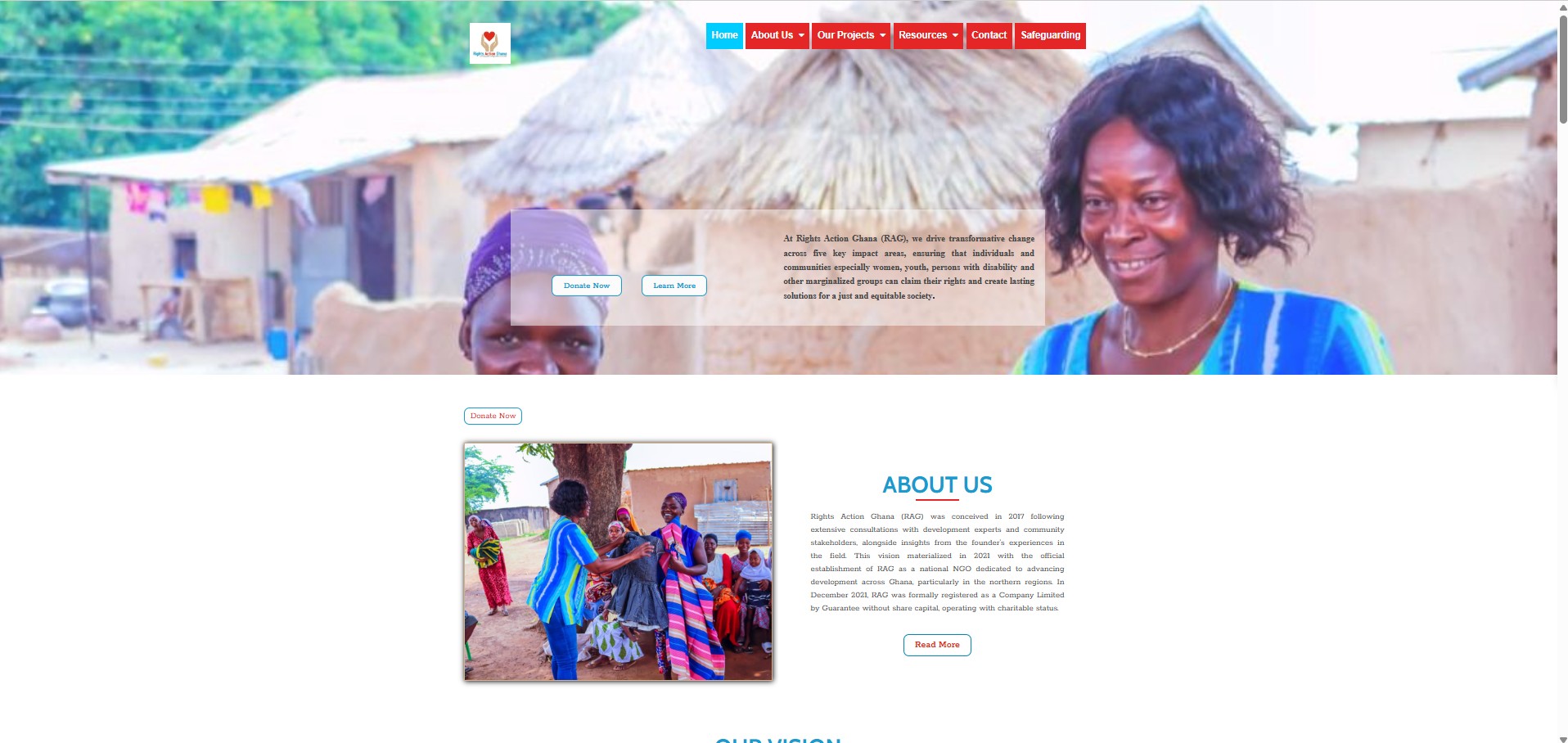
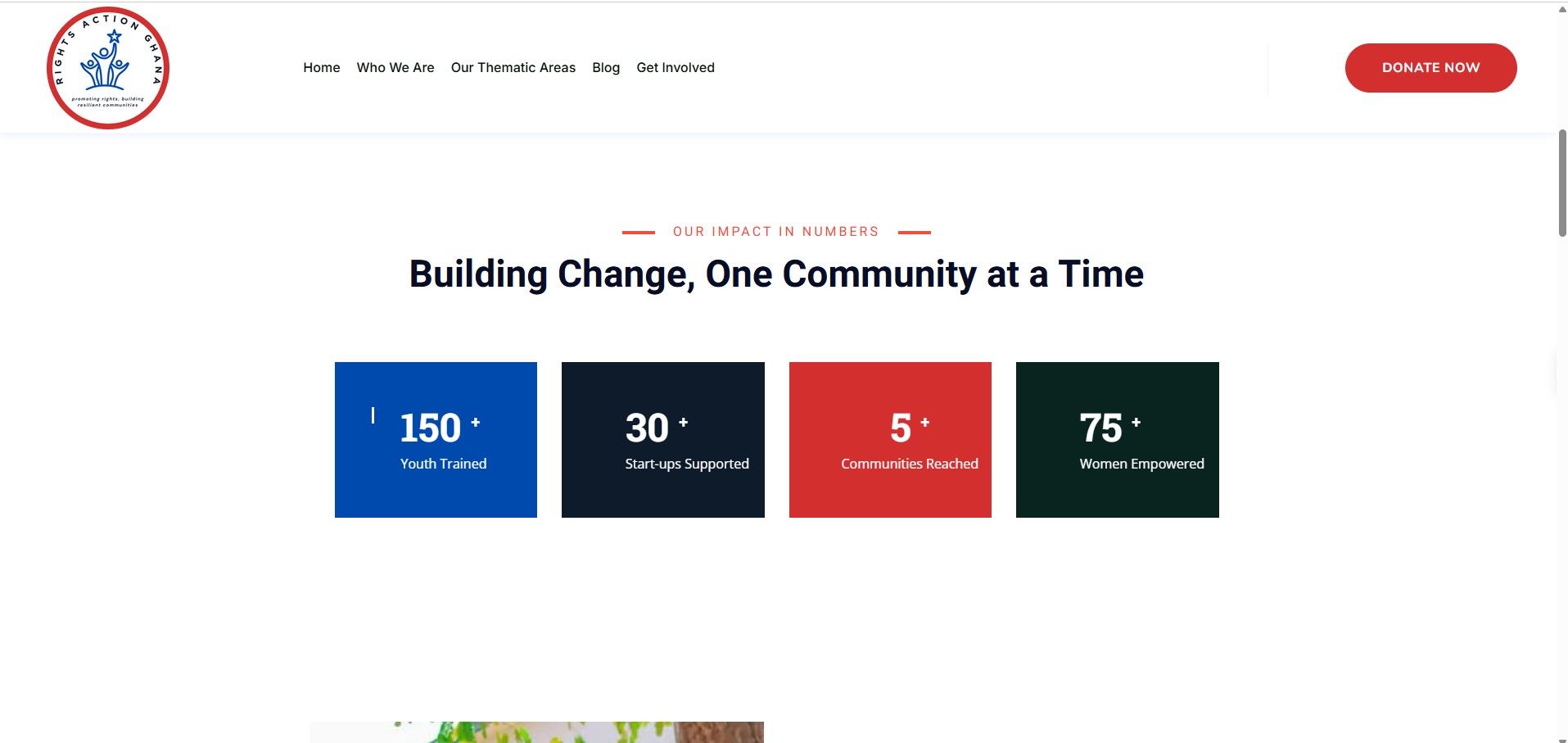
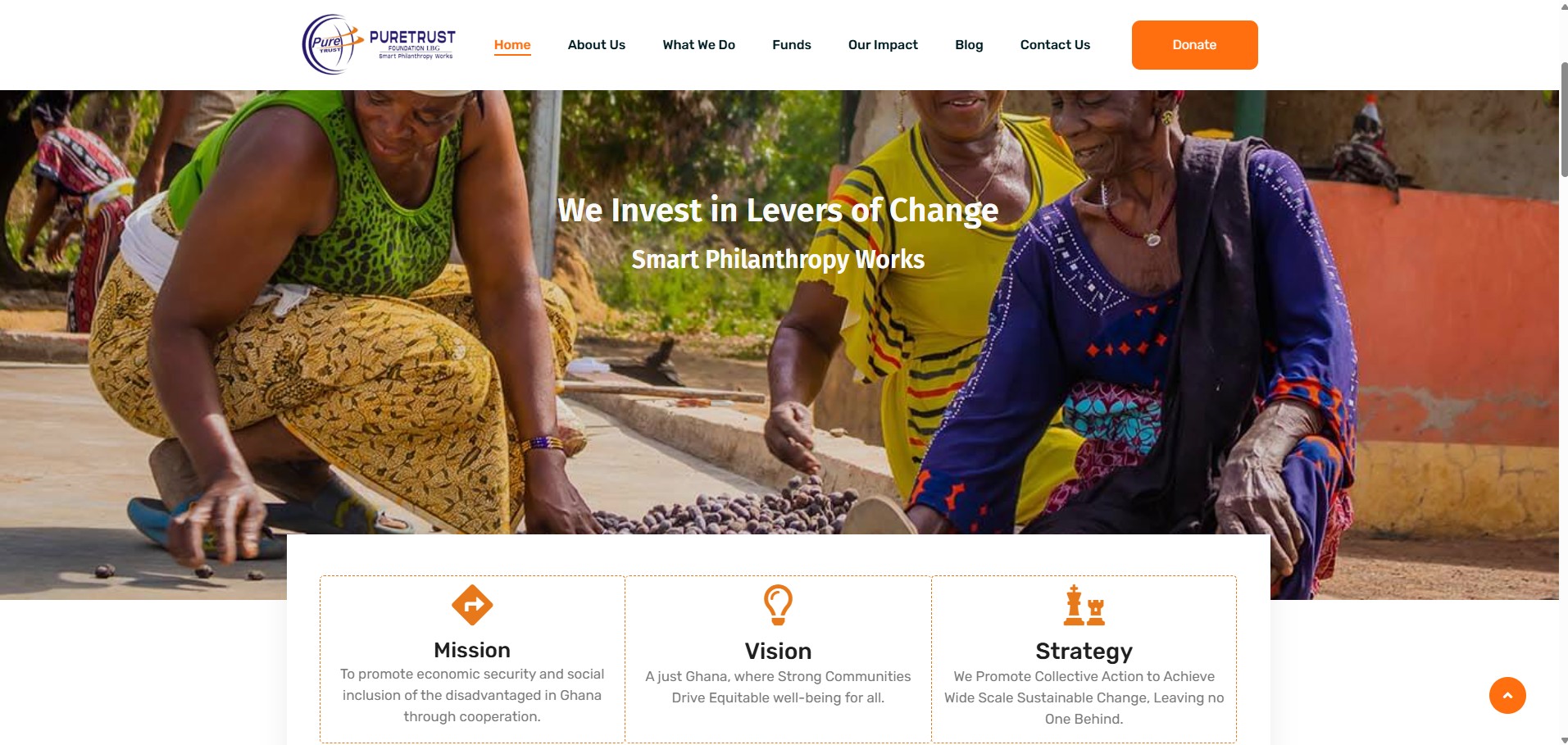
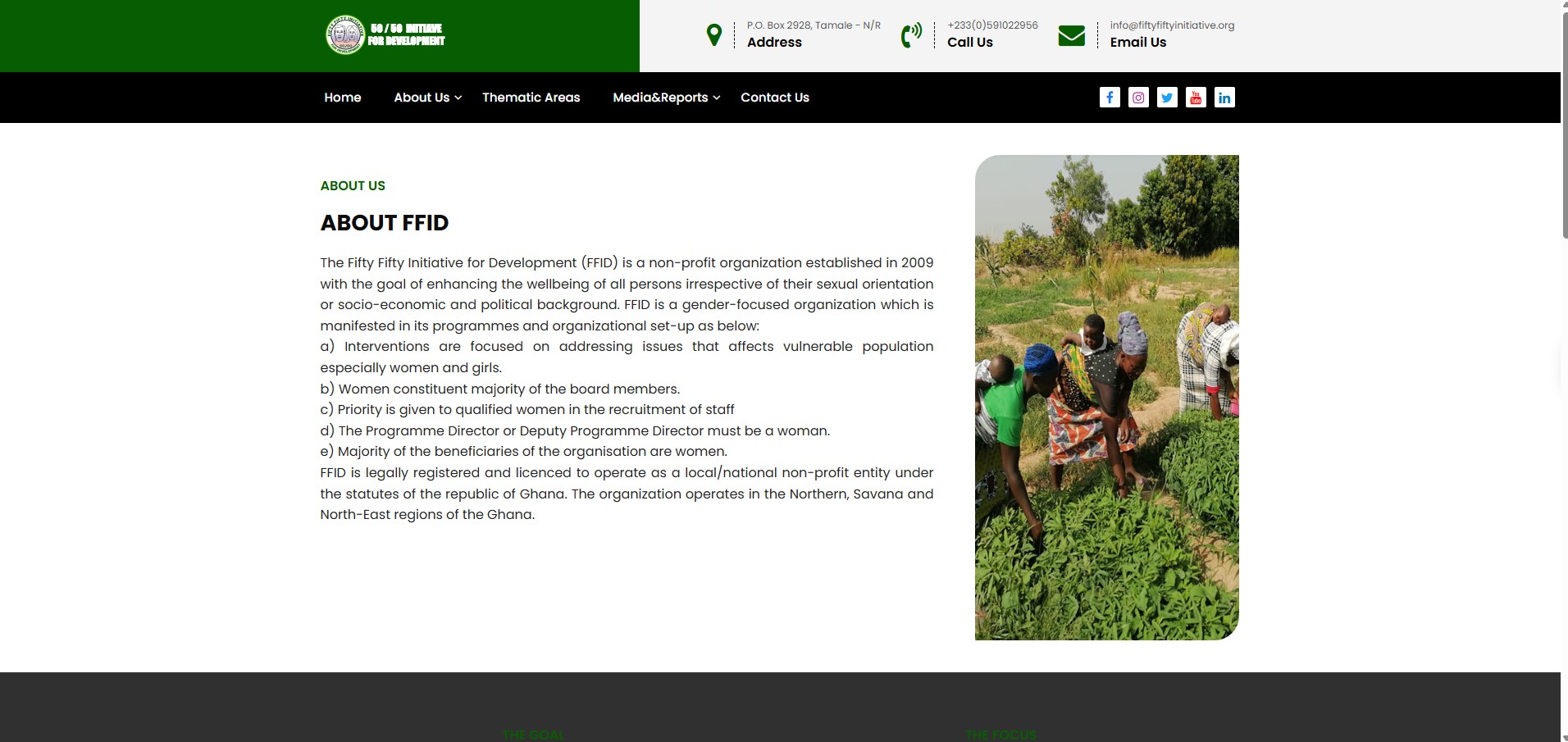
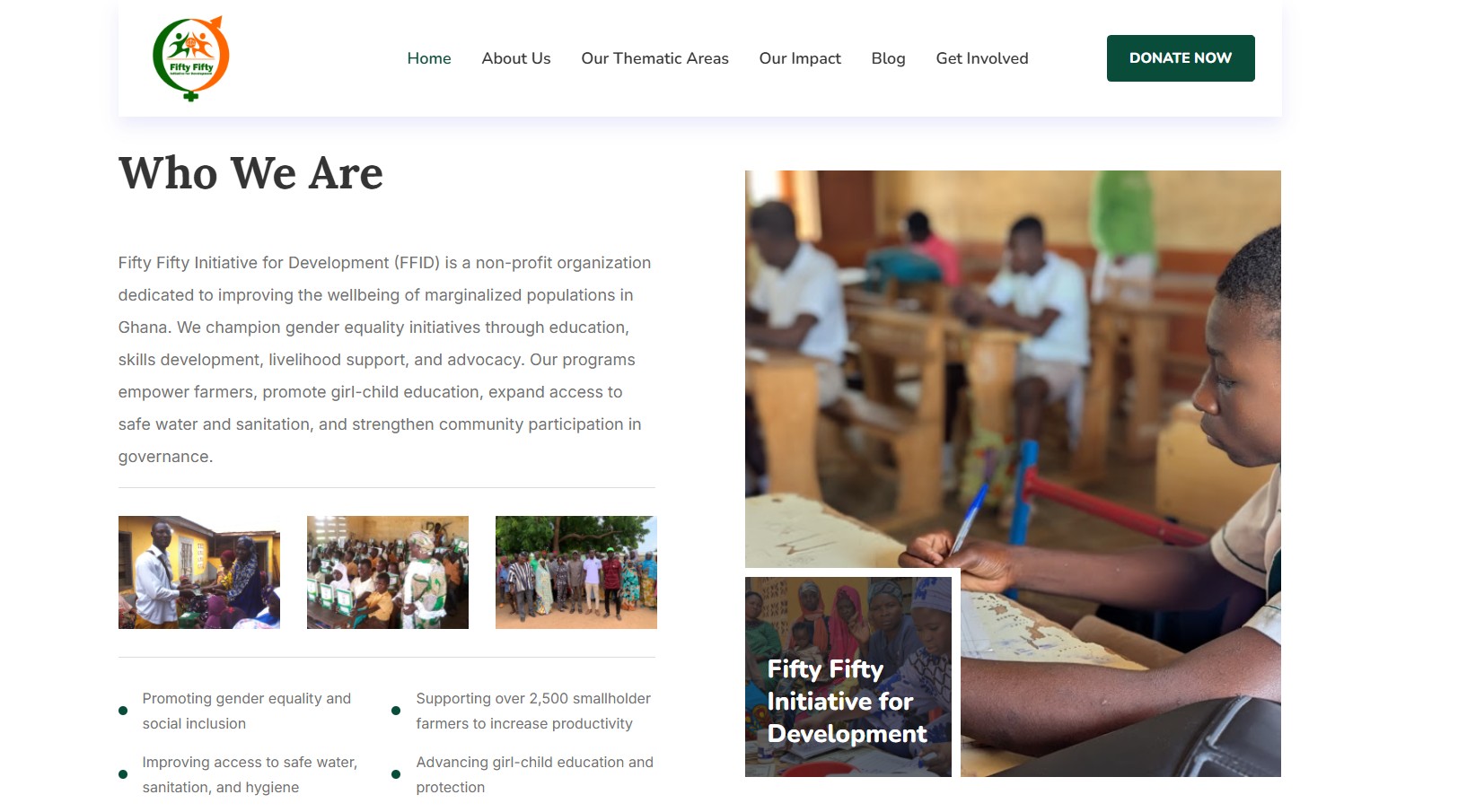
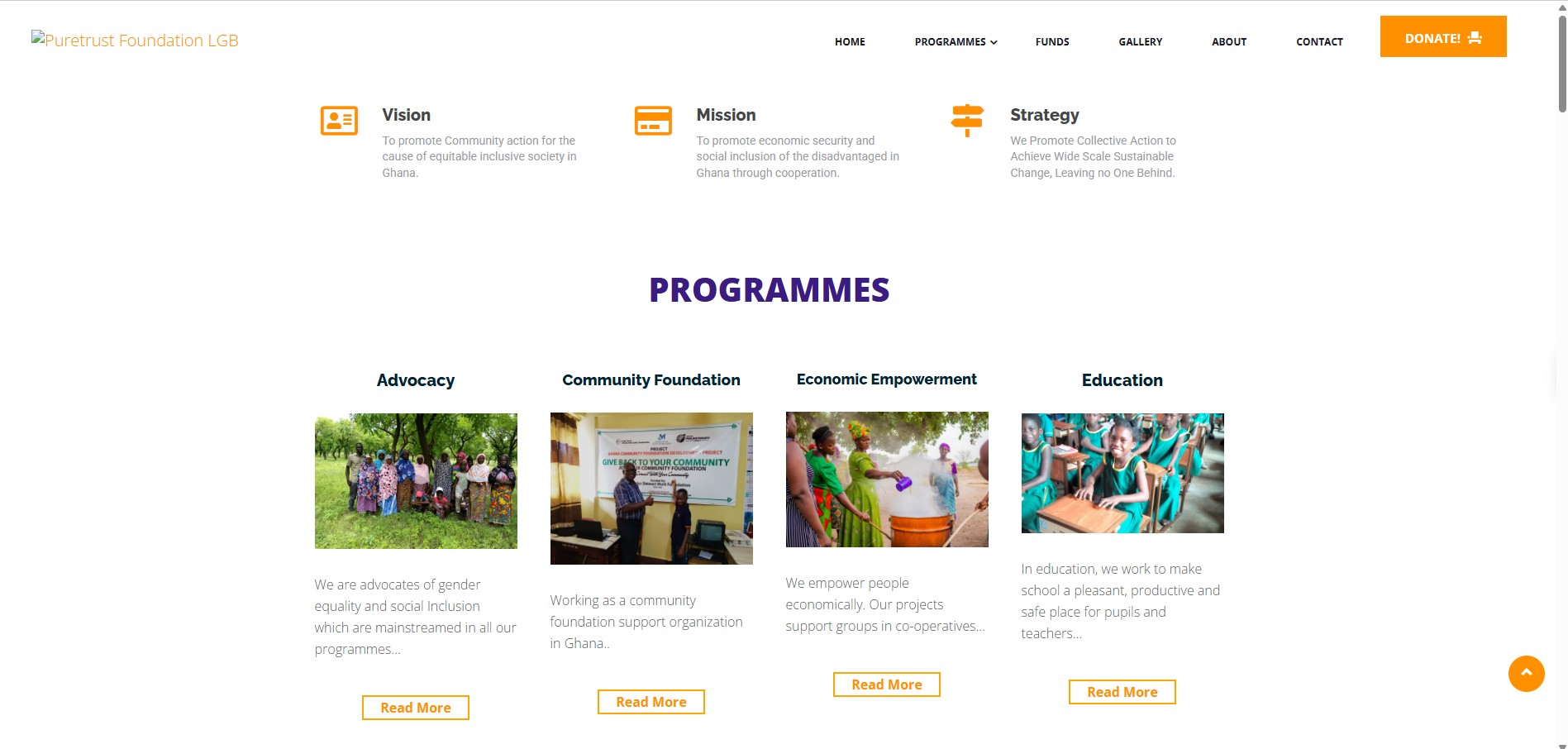
Selected before-and-after examples below show the level of redesign and structure improvements delivered during the consultancy. All six partner websites are linked.
Selected website transformations
Three representative transformations from the six partner NGOs.
Delivered websites
Live websites delivered during the consultancy.